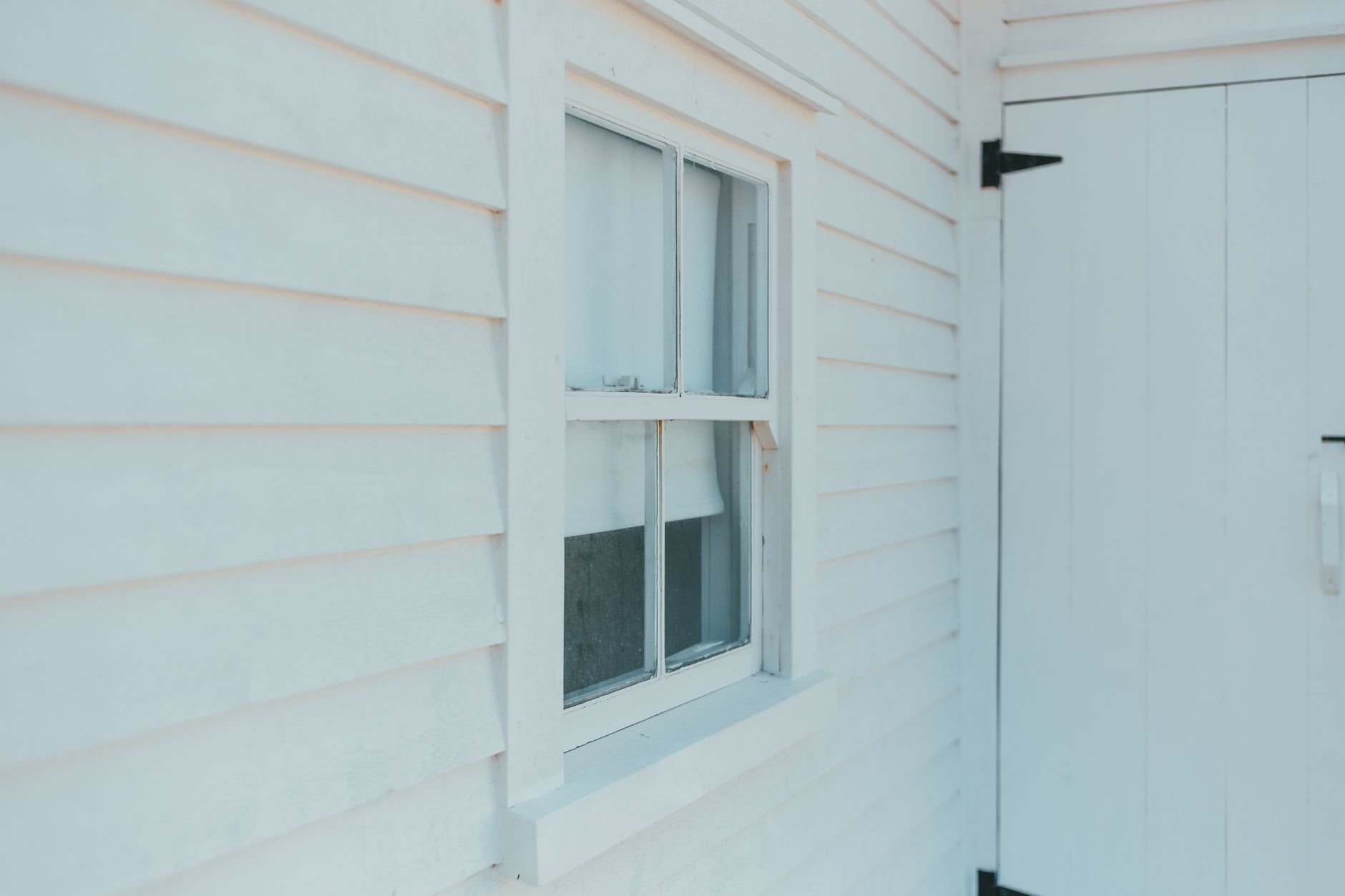
Introduction to Exterior Siding
What Is Exterior Siding?
Exterior siding is the protective layer attached to the outside of a building, serving both functional and aesthetic purposes. It shields your home from weather elements such as rain, wind, and sun, while also enhancing curb appeal. The right siding material can improve energy efficiency, increase property value, and contribute to the overall character of your home.
Why Choosing the Right Siding Matters
Selecting the ideal exterior siding involves balancing durability, maintenance requirements, budget, and design preferences. The wrong choice can lead to costly repairs, frequent upkeep, or an outdated appearance. Understanding the various types of exterior siding available empowers homeowners to make informed decisions that suit their lifestyle and local climate conditions.
Vinyl Siding: Affordable and Versatile
Advantages of Vinyl Siding
Vinyl siding is one of the most popular choices nationwide, largely because of its affordability and ease of installation. It is resistant to pests like termites and moisture-related issues such as rot, making it a practical option for many climates. Vinyl’s lightweight nature reduces labor costs, and its low maintenance means it doesn’t require painting or sealing.
Limitations to Consider
While vinyl siding offers many benefits, it can be prone to cracking or warping in extreme temperatures. It may fade over time from sun exposure, and once damaged, repairs can be noticeable due to color matching challenges. Additionally, vinyl is less eco-friendly compared to some natural materials, as it is petroleum-based and not biodegradable.
Popular Styles and Colors
Vinyl siding comes in a wide array of colors and textures, including options that mimic the look of wood grain. Common styles include horizontal lap, vertical panels, and shake patterns, allowing homeowners to customize their home’s exterior with contemporary or traditional flair.
Wood Siding: Classic Beauty with Natural Appeal
Benefits of Wood Siding
Wood siding offers timeless charm and warmth that few other materials can match. It provides excellent insulation properties and can be painted or stained in any color, allowing for endless customization. Many homeowners appreciate the natural texture and character that wood brings to a home’s exterior.
Maintenance and Durability Challenges
Wood siding requires regular upkeep to protect against moisture, insects, and decay. It typically needs periodic painting or sealing to maintain its appearance and longevity. In humid or rainy climates, wood can be vulnerable to rot or warping if not properly cared for, potentially leading to costly repairs.
Common Wood Siding Types
Popular wood siding options include clapboard, shiplap, board-and-batten, and shingles. Each offers a unique aesthetic and varying degrees of exposure to weather, so choosing the right style often depends on the architectural style of your home and your maintenance preferences.
Fiber Cement Siding: Durable and Low-Maintenance
Key Features of Fiber Cement
Fiber cement siding is composed of cement, sand, and cellulose fibers, creating a material that is both sturdy and resistant to many common siding problems. It resists fire, insects, and rot, making it a top choice for homeowners looking for durability without the constant upkeep wood demands.
Pros and Cons
Fiber cement siding offers excellent longevity and can withstand harsh weather conditions, including strong winds and heavy rain. However, it is heavier than vinyl or wood, which may increase installation costs. It also requires professional installation to avoid issues such as cracking, and while low maintenance, periodic painting will be necessary to keep it looking its best.
Design Flexibility
This siding type can be manufactured to resemble wood, stucco, or masonry, providing versatile design options. It comes in various textures and colors, allowing homeowners to achieve a high-end appearance with a more practical material.
Metal Siding: Modern and Resilient
Types of Metal Siding
Metal siding commonly includes steel, aluminum, and copper options. Steel is strong and durable, aluminum is lightweight and corrosion-resistant, and copper offers a unique aesthetic that develops a natural patina over time.
Durability and Weather Resistance
Metal siding stands up exceptionally well to harsh weather, including hail, heavy rain, and extreme temperatures. It is fire-resistant and generally impervious to pests. Additionally, metal panels often come with protective coatings that prevent rust and fading.
Aesthetic Options
Available in sleek panels, corrugated styles, or standing seam designs, metal siding can suit modern, industrial, or farmhouse looks. Finishes range from matte to glossy, and colors can be customized, offering a clean and contemporary exterior appearance.
Stone and Brick Veneer: Timeless and Sturdy
Advantages of Stone and Brick Veneers
Stone and brick veneers provide the elegant and enduring look of natural masonry without the weight and cost of full stone construction. These veneers are durable, fire-resistant, and require minimal maintenance, making them a popular choice for adding texture and character to homes.
Installation Considerations
While lighter than full masonry, veneer installation still requires skilled labor and proper preparation to ensure longevity and prevent moisture intrusion. Substrate preparation and appropriate flashing are essential to avoid water damage behind the veneer.
Style Variations
Stone veneers come in a range of colors, shapes, and textures, from rough, rustic fieldstone to smooth-cut limestone. Brick veneers offer classic red tones as well as painted or glazed finishes. These variations allow homeowners to tailor the exterior to traditional, craftsman, or contemporary styles.
Conclusion
Choosing the right type of exterior siding is a crucial step in defining your home’s look and protecting it for years to come. From the budget-friendly versatility of vinyl to the natural elegance of wood, the toughness of fiber cement, the sleek modernity of metal, and the timeless appeal of stone and brick veneers, each material offers distinct advantages and challenges. By considering your climate, maintenance willingness, aesthetic preferences, and budget, you can select the siding that best complements your home and lifestyle.
Frequently Asked Questions
How do I choose the best exterior siding for my home?
Consider factors like your budget, climate, desired maintenance level, and the architectural style of your home to select the most suitable siding type.
Which siding type requires the least maintenance?
Fiber cement and metal sidings generally require less maintenance compared to wood, making them ideal for homeowners seeking durability with minimal upkeep.