Understanding Home Exterior Stains
What Is Exterior Stain?
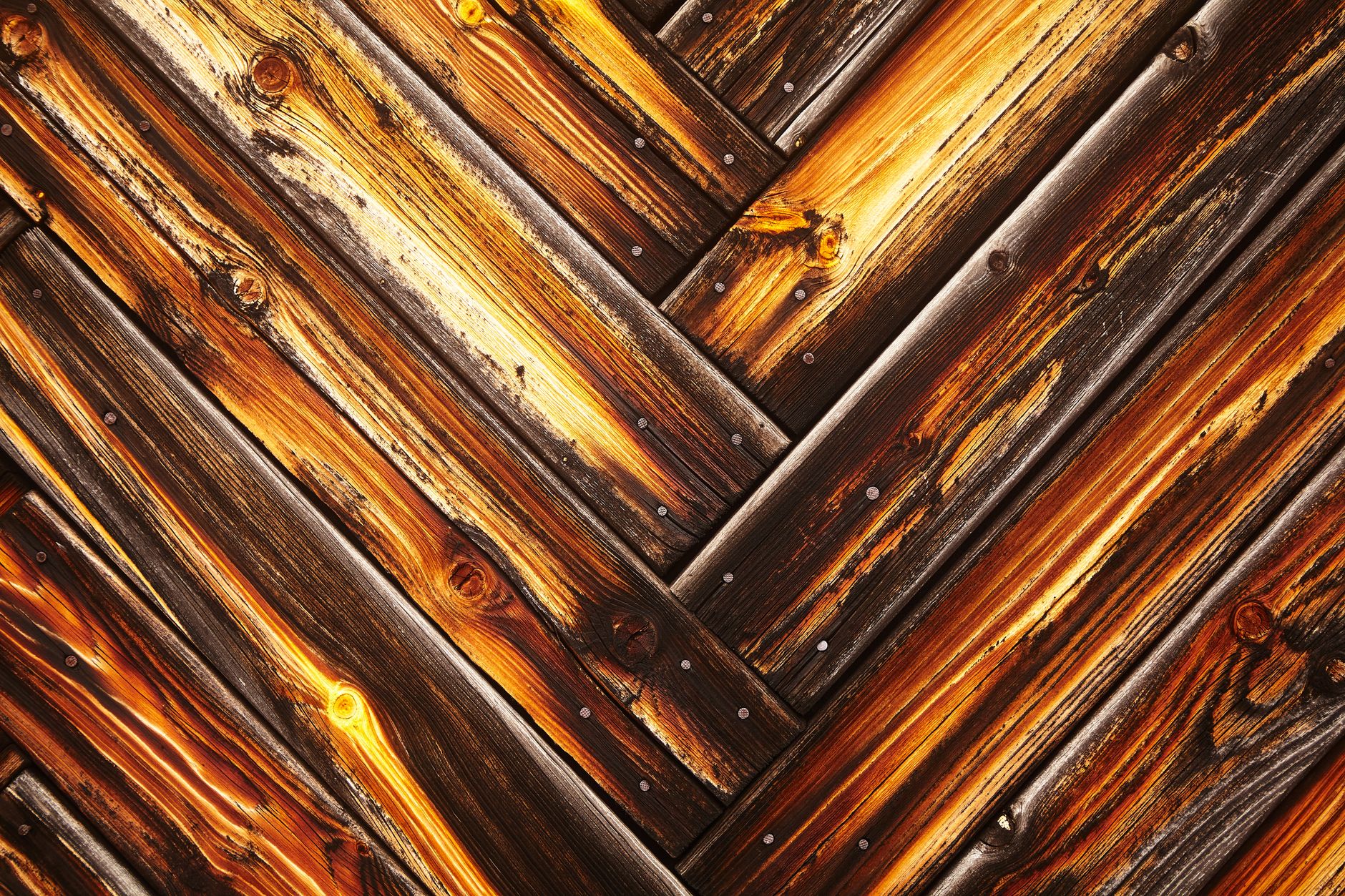
Home exterior stain is a specially formulated coating designed to protect and beautify wood surfaces exposed to outdoor elements. Unlike paint, which creates a solid layer on top of the surface, exterior stains penetrate the wood fibers, enhancing natural grain patterns while providing a protective barrier. This makes stains a popular choice for decks, siding, fences, and other wooden structures around the home.
Exterior stains come in a variety of formulations, tailored to meet different protection and aesthetic needs. Their primary purpose is to safeguard wood from moisture, UV rays, and environmental damage, all while maintaining or enhancing the wood’s natural appeal.
Types of Exterior Stains: Transparent, Semi-Transparent, and Solid
Choosing the right type of stain depends on the balance you want between wood visibility and color coverage:
- Transparent Stains: These stains offer minimal pigmentation, allowing the natural wood grain and texture to show through almost completely. They provide basic protection and are best for newer or well-maintained wood where you want maximum natural beauty.
- Semi-Transparent Stains: Combining color with some transparency, these stains add a hint of pigment that enhances the wood's natural character while offering more UV protection. They are ideal for wood with some imperfections or older wood that needs a little extra coverage.
- Solid Stains: Solid stains provide a uniform color, similar to paint, but still penetrate the wood rather than forming a thick surface coating. These stains hide wood grain and imperfections but offer the best protection against weathering and sun damage.
Factors to Consider When Choosing a Stain
Wood Type and Condition
Not all wood is created equal, and the type of wood you are staining will influence your stain choice. Softwoods like pine or cedar absorb stains differently than hardwoods such as oak or mahogany. Older, weathered wood may require a semi-transparent or solid stain to mask imperfections, while newer, high-quality wood often benefits from a transparent stain that highlights its natural beauty.
Additionally, consider the condition of the wood. Damaged or rough surfaces might need extra preparation or a more pigmented stain to ensure even coverage and protection.
Climate and Weather Exposure
Your local climate plays a crucial role in how well your exterior stain performs. Regions with intense sun exposure, heavy rainfall, or high humidity require stains with strong UV blockers and moisture resistance. In areas with freeze-thaw cycles, choosing a stain with good flexibility helps prevent cracking and peeling.
Consider also the wood’s exposure: surfaces facing direct sunlight or prevailing winds may need more frequent maintenance or a more robust stain formulation.
Desired Aesthetic and Color Options
Exterior stains come in a wide palette of colors and opacities, allowing homeowners to customize their home's look. Transparent stains emphasize natural grain and color variations, while solid stains offer a painted look with many color choices.
Decide whether you want your wood to look natural or prefer a bolder, uniform color. Keep in mind that darker stains usually provide better UV protection but may require more upkeep in very sunny environments.
Benefits of Quality Exterior Stains
Protection Against UV Rays and Moisture
High-quality exterior stains are formulated to shield wood from harmful ultraviolet rays that cause fading and degradation. They also create a barrier against moisture infiltration, which can lead to warping, cracking, and rot. This dual protection helps extend the wood’s lifespan and preserves structural integrity.
Enhancing Wood Grain and Appearance
Stains, especially transparent and semi-transparent types, enhance the natural beauty of wood by highlighting grain patterns and textures. This adds warmth and character that paint cannot replicate, making your home’s exterior feel more inviting and authentic.
Longevity and Maintenance Requirements
Investing in a premium exterior stain reduces the frequency of maintenance and reapplication. Quality stains resist peeling and blistering, withstand harsh weather conditions, and maintain their color longer. This results in cost savings over time and less hassle for homeowners.
Application Tips for Best Results
Surface Preparation Steps
Proper preparation is key to a successful staining project. Begin by cleaning the wood thoroughly to remove dirt, mildew, and old finishes. Use a wood cleaner or a mixture of mild detergent and water, followed by rinsing and allowing the surface to dry completely.
Sand any rough or peeling areas to create a smooth surface. Repair damaged wood before staining to ensure even absorption and a polished finish.