Introduction: Why Understanding Exterior Trim Painting Costs Matters
Your home's exterior trim plays a crucial role in defining its overall look and charm. Freshly painted trim can instantly boost curb appeal, making your house stand out in the neighborhood. However, understanding the true cost to paint exterior trim of house goes beyond just picking a color and scheduling a painter. Many homeowners are surprised by the range of factors that influence pricing, from materials to labor and preparation work.
There are common misconceptions about painting costs, such as assuming it’s a quick, inexpensive job or that all paints and contractors offer the same value. In reality, the expense varies widely depending on your house’s unique characteristics and the quality of workmanship you desire. This guide will help you navigate these details so you can make informed decisions about your exterior trim painting project.
Key Factors Influencing the Cost to Paint Exterior Trim
Size and Complexity of the Trim Work
The total surface area of your home’s trim is a primary factor in cost calculation. Larger homes naturally require more paint and labor hours. Additionally, intricate designs, such as decorative moldings, multiple layers of trim, or unusual architectural features, add complexity. These details demand careful attention and more time, which increases the overall expense.
Type and Condition of the Wood or Material
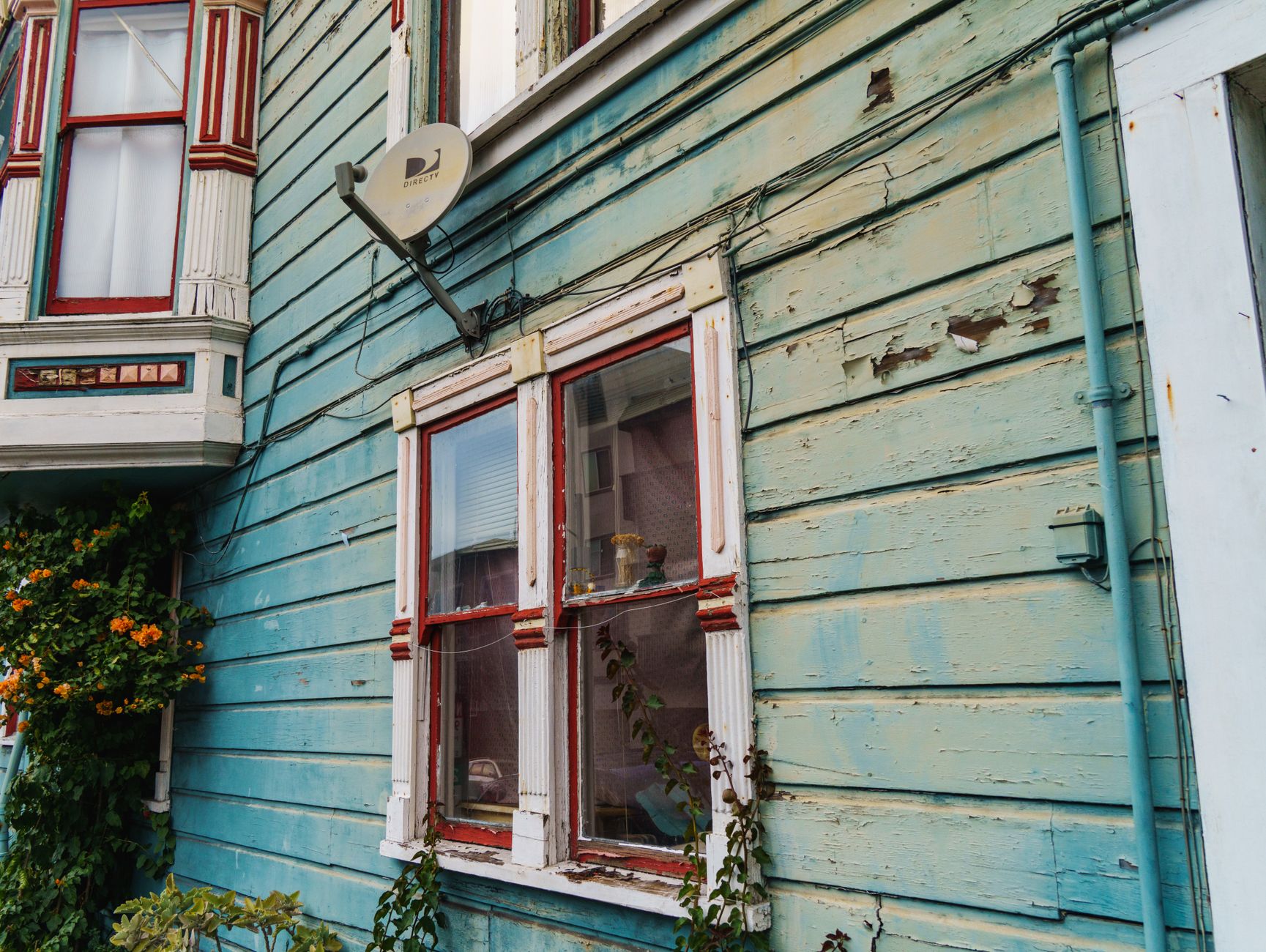
Not all exterior trim materials are created equal. Wood trim, for instance, may require more maintenance and prep work like sanding or filling cracks. In contrast, vinyl or fiber cement trim might need less intensive surface preparation but could require specific primers or paints. The condition of the trim also matters—a well-maintained surface costs less to paint than one with rot, peeling paint, or damage that demands repairs before painting can start.
Choice of Paint and Finish Quality
The paint type and finish you select significantly affect cost. Premium exterior paints with higher durability and weather resistance come at a higher price point but offer longer-lasting protection and a better finish. Satin or semi-gloss finishes are common for trim because they highlight architectural details and repel dirt, but they usually cost more than flat paints. Choosing quality paint can reduce future repainting frequency, ultimately saving money over time.
Labor Costs and Contractor Rates
Labor is often the largest component of painting expenses. Rates vary by location, contractor experience, and the complexity of the project. Urban areas tend to have higher labor costs than rural regions. Some contractors charge by the hour, while others provide flat quotes based on the job size. Always inquire about what the estimate includes to avoid unexpected fees.
Breaking Down the Average Cost: Materials and Labor
Average Paint and Supplies Cost
On average, quality exterior paint suitable for trim can cost between $30 and $70 per gallon. Most homes require 2 to 4 gallons, depending on trim size and the number of coats needed. Additional supplies such as primer, brushes, rollers, painter’s tape, and drop cloths can add $50 to $150. Specialty primers or sealants may increase this figure if your trim requires extra protection.
Typical Labor Expenses by Region
Labor costs vary widely. In many areas, professional painters charge between $40 and $80 per hour. For a typical house, labor might range from $200 to $700, depending on trim complexity and size. Coastal or metropolitan regions often fall on the higher end of this spectrum. When labor is charged as a flat fee, expect the total combined with materials to land between $500 and $1,000 for average-sized homes.
Additional Costs: Preparation and Repairs
Preparation is an essential yet sometimes overlooked part of the project. Power washing, sanding, scraping off old paint, and minor repairs like filling gaps or replacing rotten trim pieces can add $100 to $300 or more. Neglecting these steps may lead to premature paint failure, costing more in the long run. A thorough inspection before painting helps identify what preparation is necessary.
DIY vs. Hiring a Professional: Cost and Quality Considerations
Pros and Cons of DIY Painting
Taking on the painting yourself can save money on labor and give you control over the project timeline. If you have some experience and the right tools, DIY painting can cost as little as the price of paint and supplies. However, the work requires time, physical effort, and attention to detail. Mistakes like uneven coverage, paint drips, or poor surface preparation can compromise the appearance and durability.
When to Hire a Professional
Hiring a professional painter is advisable when trim work is extensive, detailed, or requires specialized techniques. Professionals bring expertise, proper equipment, and efficient methods that can result in a longer-lasting, high-quality finish. If you lack time, physical ability, or confidence, a contractor ensures the job is done safely and correctly.
How to Get Accurate Contractor Estimates
To receive reliable estimates, provide contractors with clear information about your home’s trim size, condition, and your paint preferences. Request itemized quotes that separate labor, materials, and preparation costs. Checking references and reviewing past projects can also help you find trustworthy painters who offer fair pricing and quality workmanship.
Tips to Save Money Without Sacrificing Quality
Choosing the Right Paint for Durability
Investing in high-quality paint reduces the frequency of repainting and the risk of damage from weather exposure. Look for paints labeled for exterior use with UV protection and mildew resistance. Selecting the right finish—often semi-gloss or satin—for trim surfaces ensures easier cleaning and better longevity.
Preparing the Surface Properly Yourself
Doing some preparation work, such as cleaning trim, removing loose paint, or sanding rough areas before the painter arrives, can lower labor costs. Clear communication with your contractor about what prep you will handle helps avoid duplicated efforts and unnecessary charges.
Scheduling Painting During Off-Peak Seasons
Painting contractors often experience lower demand in late fall or early spring. Scheduling your exterior trim painting during these off-peak times may result in discounted labor rates or more flexible scheduling. Just be sure weather conditions are suitable for painting to ensure proper drying and adhesion.
Maintaining Your Painted Exterior Trim to Extend Its Life
Routine Cleaning and Inspections
Regularly washing your trim with mild soap and water removes dirt and prevents buildup that can degrade paint. Periodically inspect for cracks, peeling, or discoloration to catch issues early before they worsen.
Touch-Up Strategies
Address small chips or scratches promptly with touch-up paint to maintain a continuous protective barrier. Keep leftover paint stored in airtight containers for future use, making touch-ups easier and color matching accurate.
Signs It’s Time to Repaint
When paint begins to flake, peel, or show signs of fading, it’s time to plan for repainting. Also, if moisture damage or wood rot is visible, repair those areas before applying fresh paint to prevent recurring problems.
FAQ
How much does it typically cost to paint the exterior trim of a house?
The cost usually ranges between $300 and $1,000 depending on trim size, paint quality, and labor rates in your area.
Can I paint exterior trim myself to save money?
Yes, if you have basic painting skills and tools, DIY can reduce costs significantly but requires proper preparation and time.
What type of paint is best for exterior trim?
High-quality exterior acrylic latex paint is recommended for its durability, weather resistance, and ease of maintenance.
Conclusion
Understanding the true cost to paint exterior trim of house means recognizing the many elements that influence pricing—from the size and condition of the trim to paint quality and labor rates. Whether you choose to DIY or hire a professional, planning carefully and prioritizing quality materials will protect your investment. With proper maintenance, your freshly painted trim can enhance your home’s beauty and value for years to come.